
By Joseph Henry Sharp
Sponsored by the C.M. Russell Museum

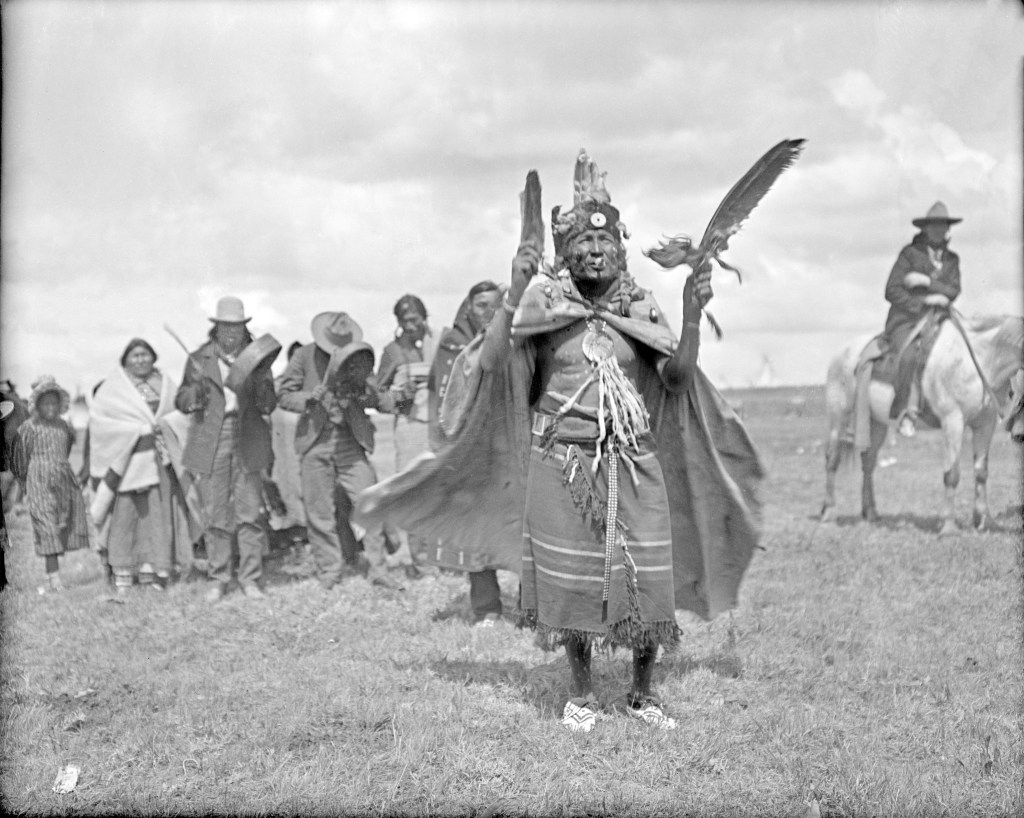

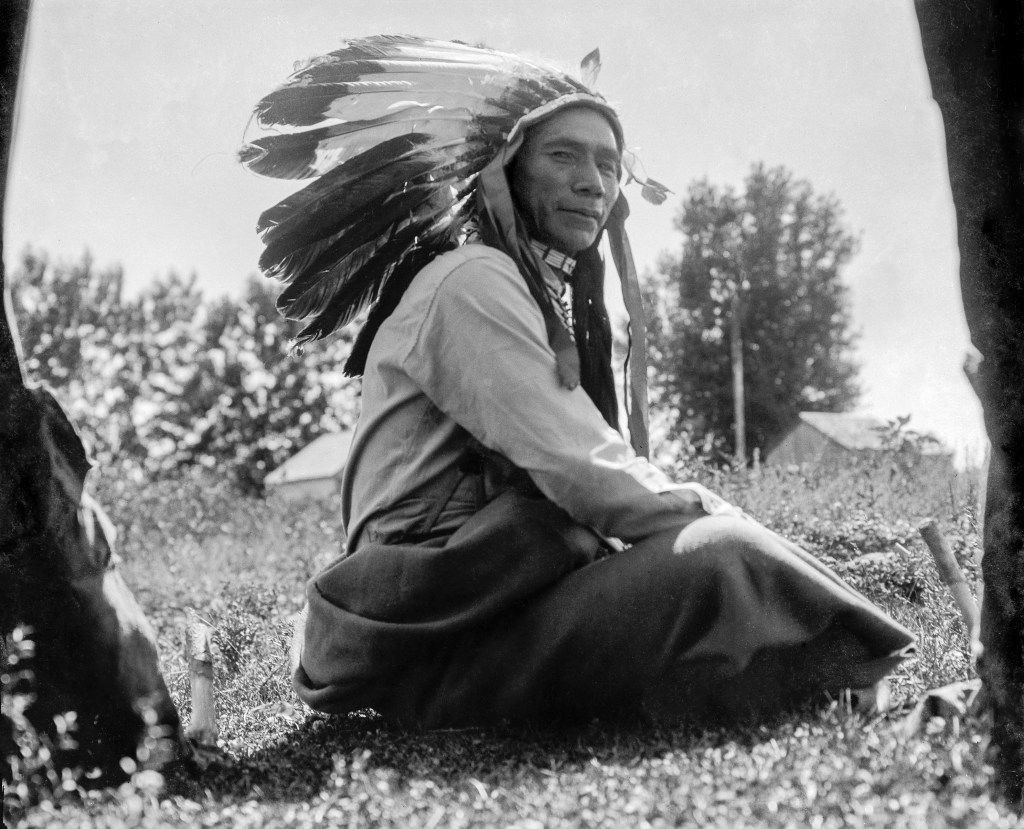

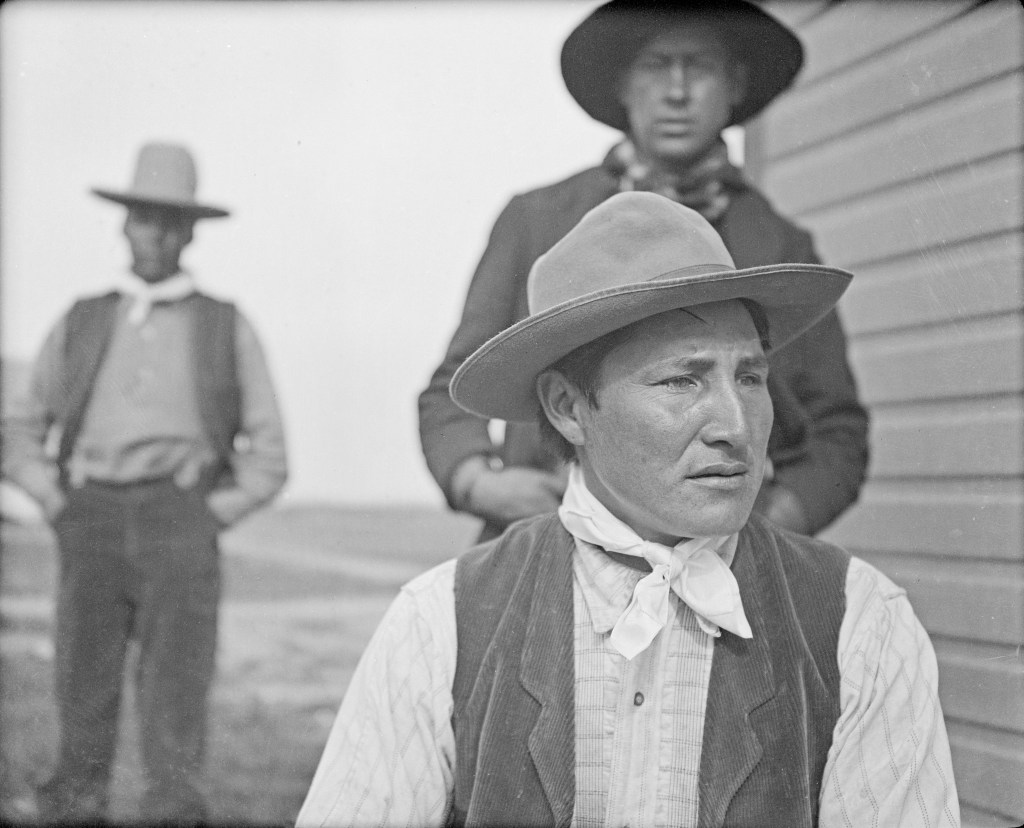


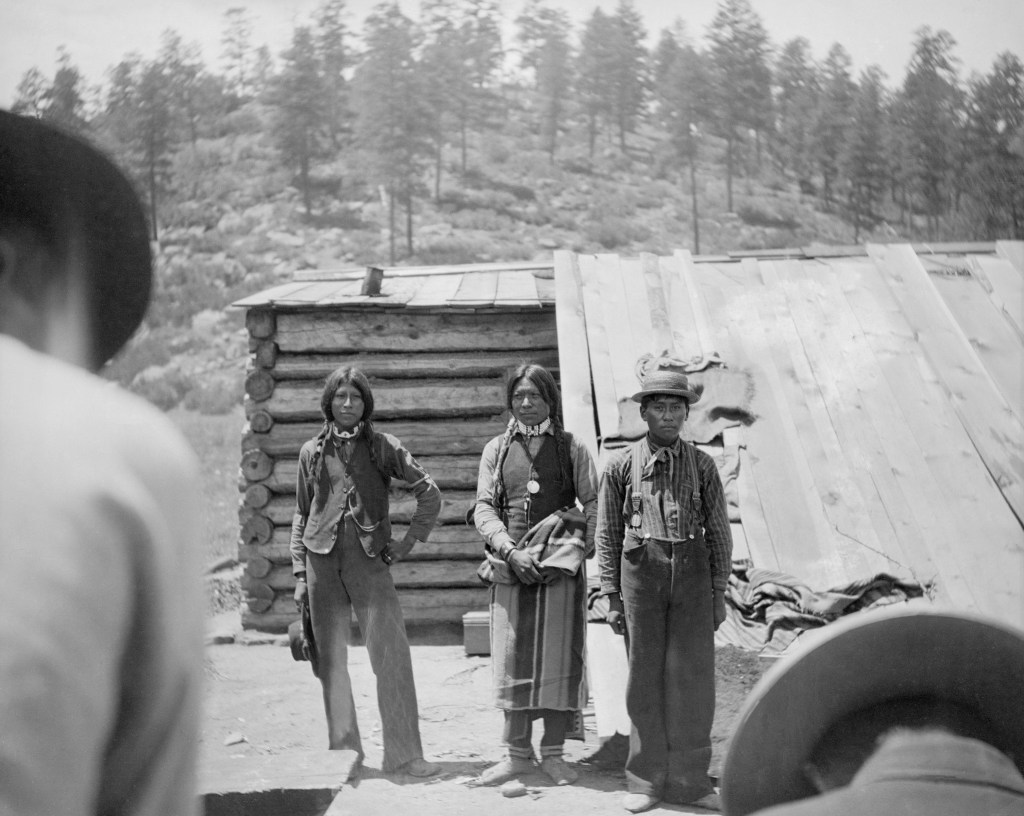
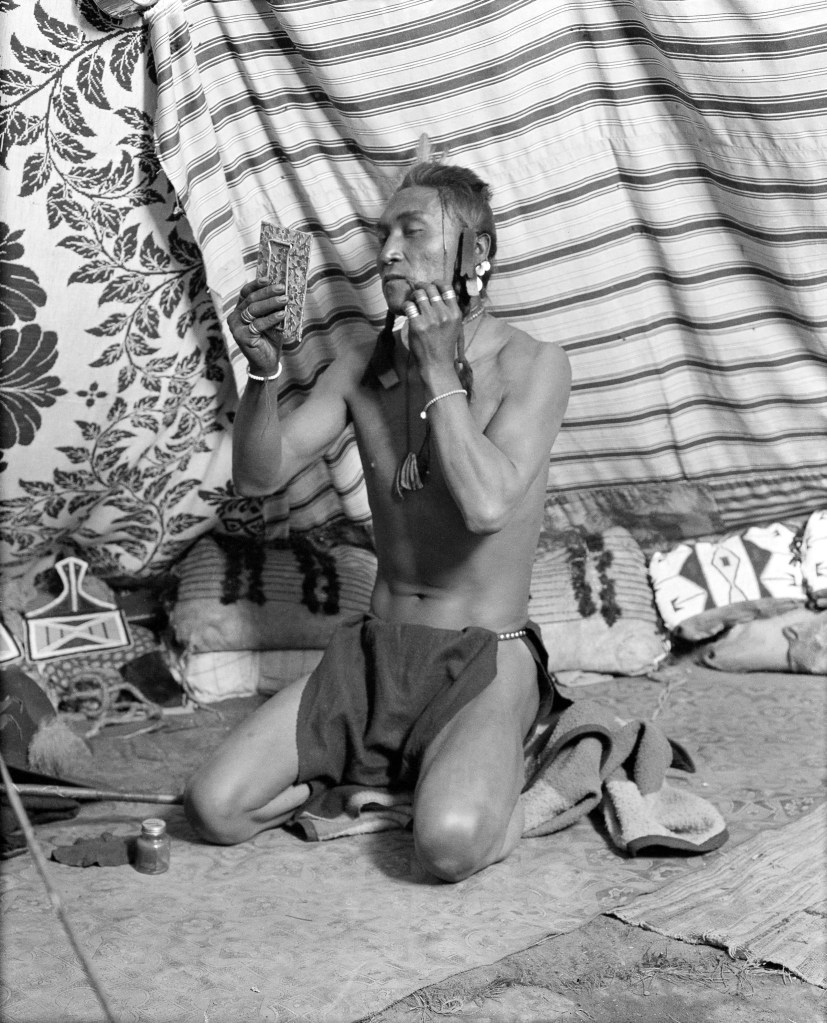
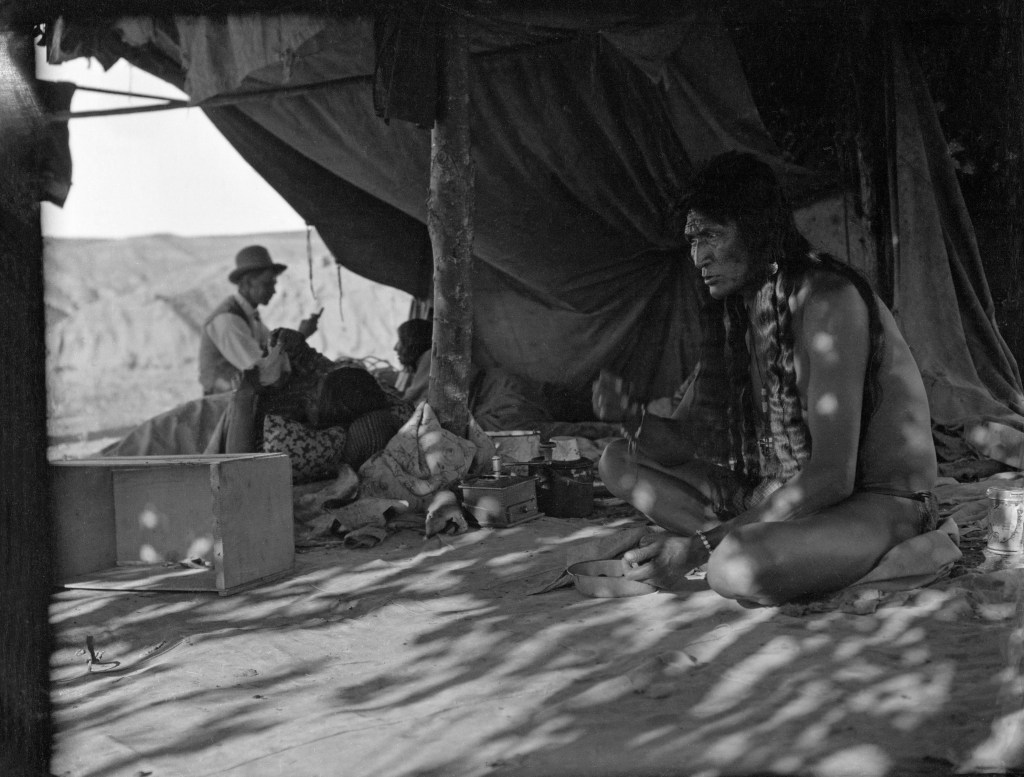
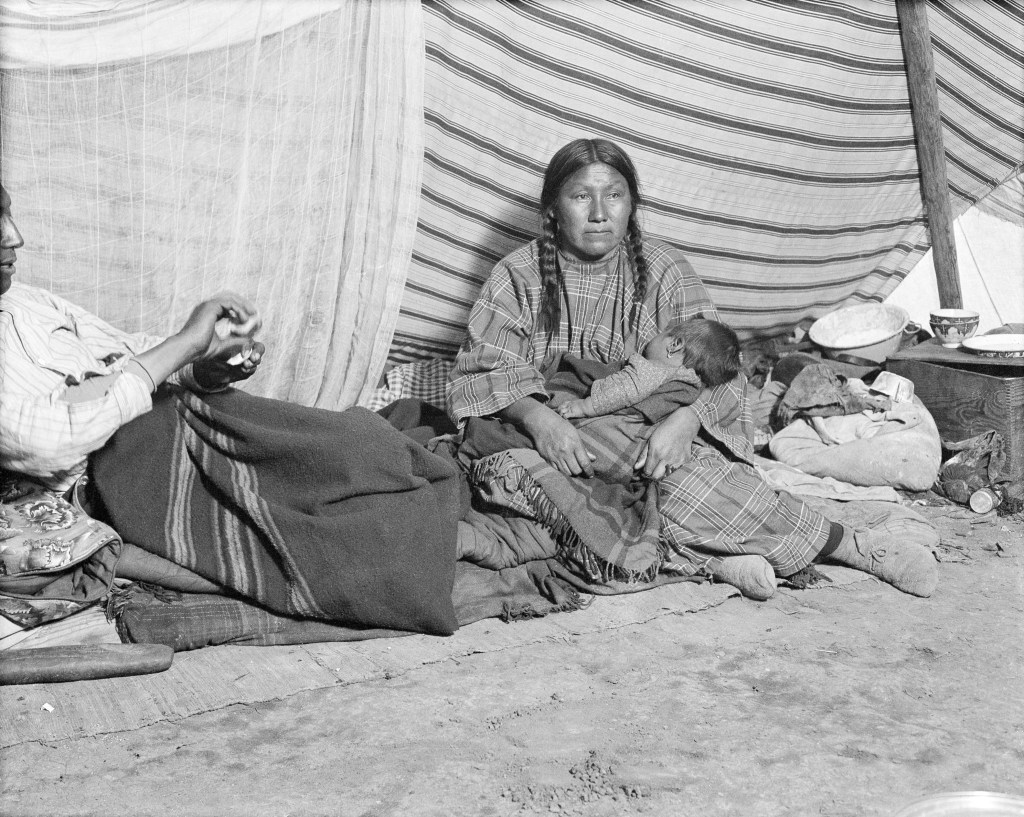

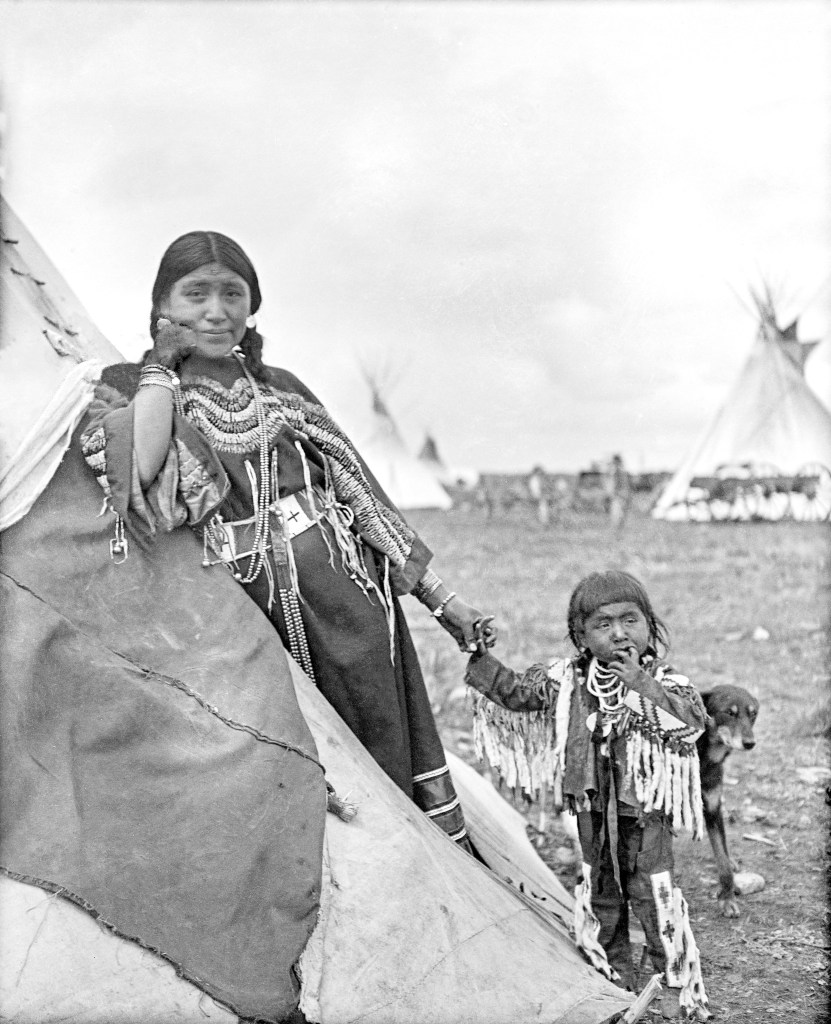
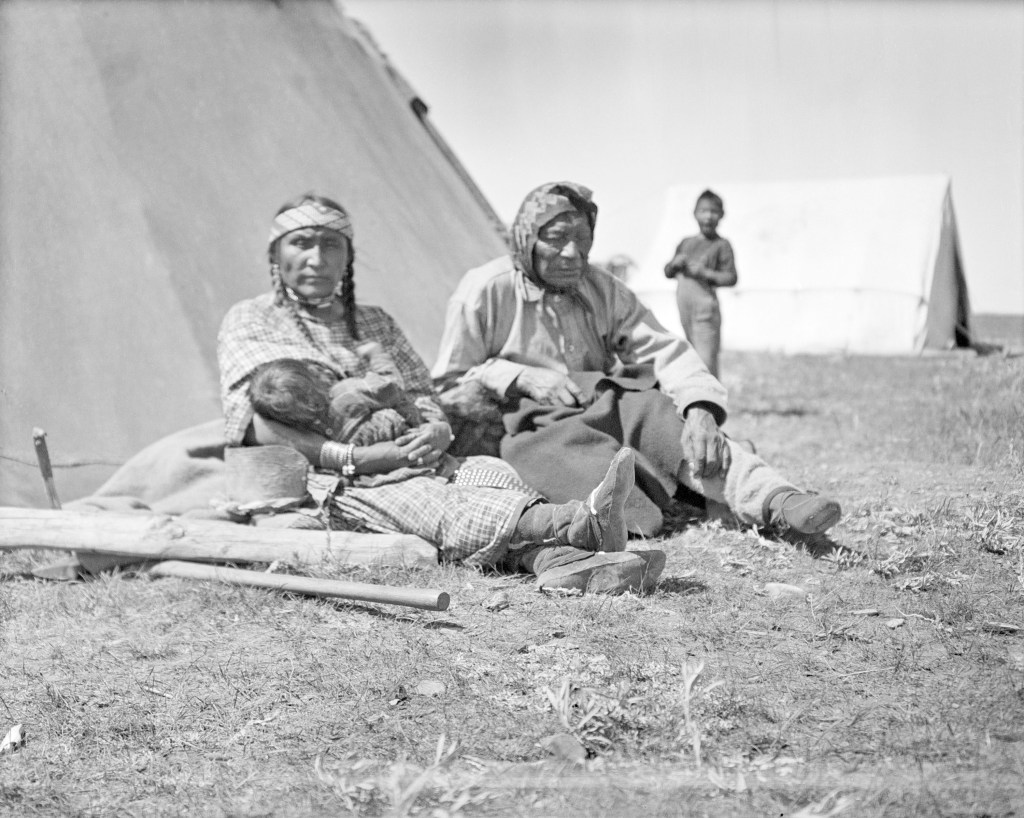
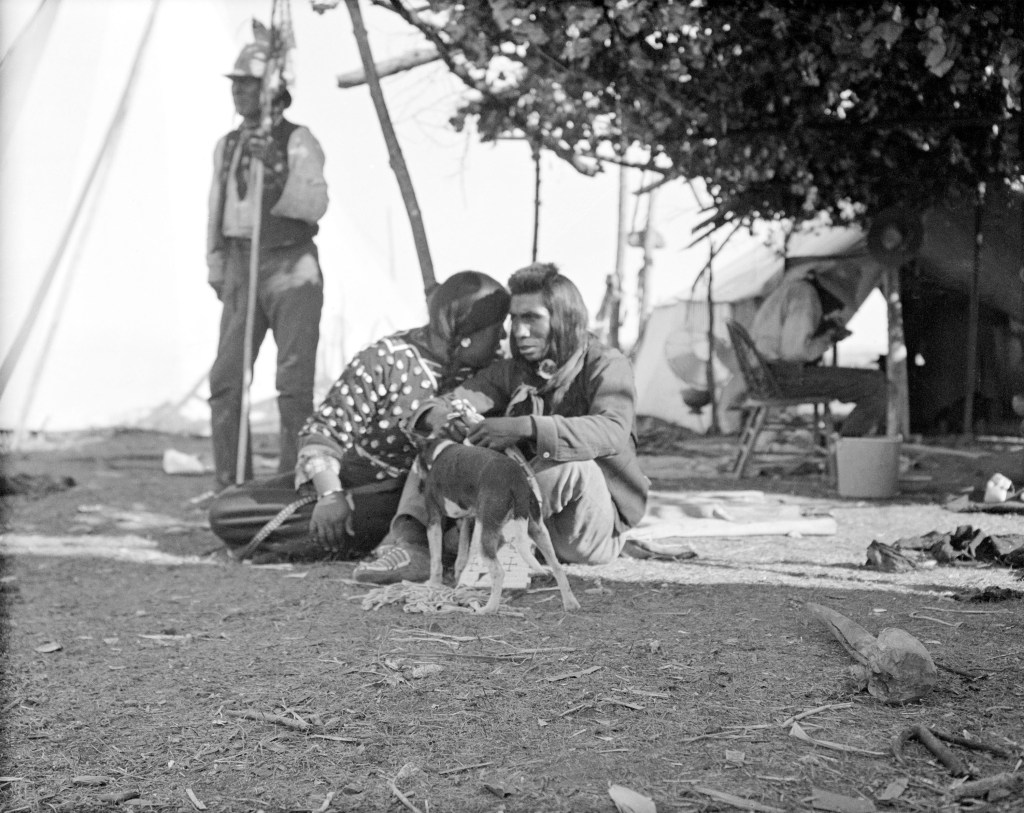


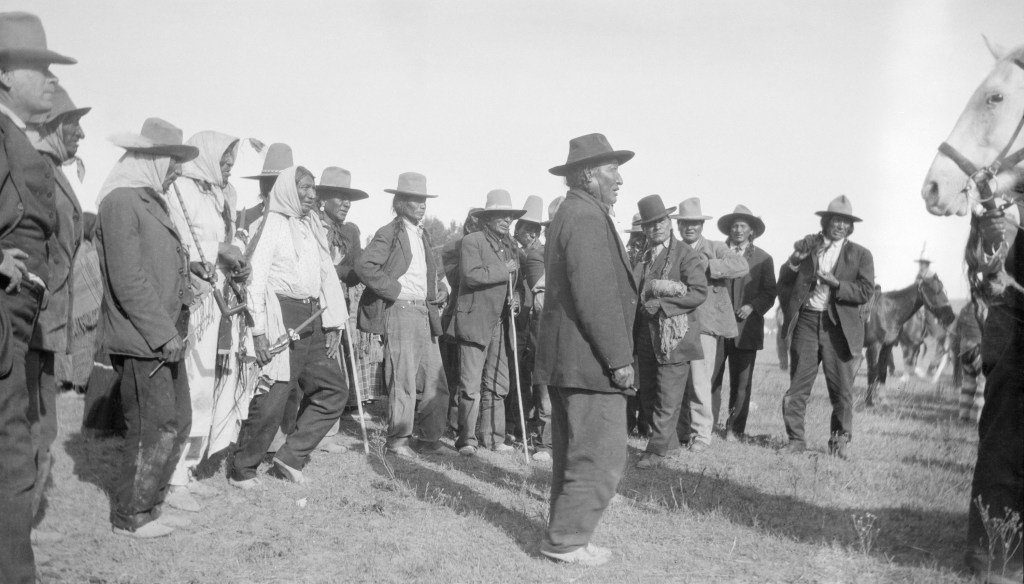
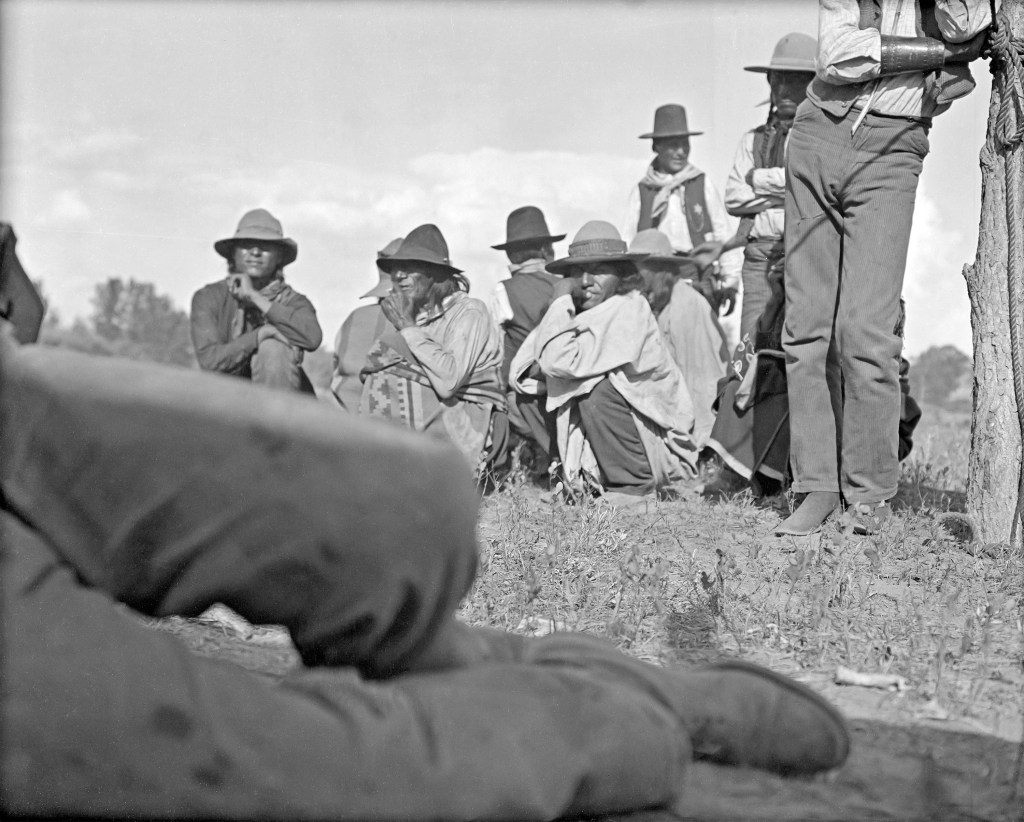
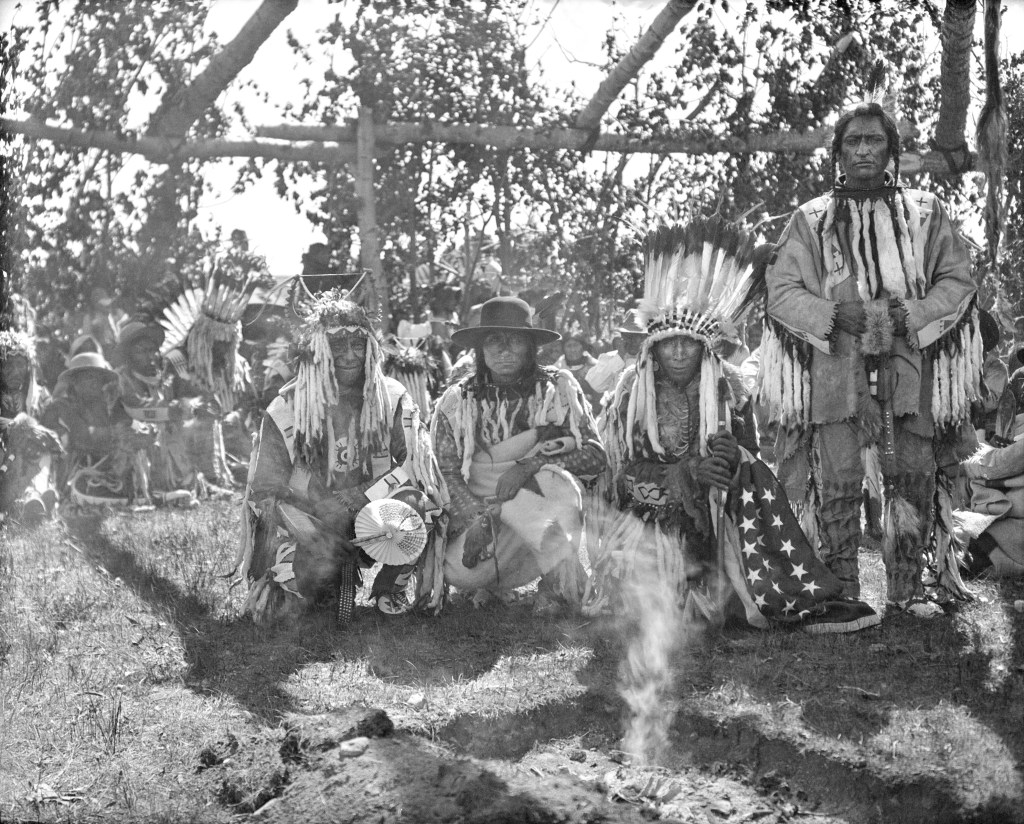

- 25 photogravure prints
- Sizes: 18″ x 20″ and 20″ x 18″
- Crates: 3 crates – 34″ x 40″ x 6″ approx.
- Available: November 2024 – December 2026
- Rental Fees: up to 6-weeks $400/ 7 – 12-weeks $800
Step into the world of Joseph Henry Sharp (1859-1944), a man whose artistic journey began in Bridgeport, Ohio. Trained in the fine arts in Cincinnati and Europe, he later shared his knowledge at the Cincinnati Art Academy from 1892 to 1902. However, it was his decision to leave teaching and focus on painting that truly defined his career. Supported by Phoebe Hearst’s patronage, he found the financial freedom to venture west, where he would immerse himself in the art of painting indigenous people and cultures. It was in 1899 that Sharp first set foot in southeastern Montana, specifically the Crow Agency. From 1902 to 1910, he would spend the fall and winter months on the reservation, even building a log cabin studio. His artistic journey took him to other reservations, including Browning and Lame Deer. However, in 1910, his health began to decline, prompting a permanent move to New Mexico. It was here that he co-founded the Taos Society of Artists, a pivotal moment that marked his transition from the landscape and people of the Plains to the vibrant southwest. While Joseph Henry Sharp primarily used photography as a reference or a memory aid for his paintings and etchings, it’s clear that the medium played a significant role in shaping his artistic vision. His camera became a tool for creating the groundwork of his painterly compositions. He would actively pose his subjects and himself, capturing magnetic portraits and scenes from everyday life, a testament to his unique artistic process.
The C.M. Russell Museums’ Joseph Henry Sharp Photograph Collection includes approximately 2,972 photographs, negatives, glass sides, and ephemera. The selected twenty-five photographs on display feature Sharps’ time spent in Montana beginning in 1899 at the Crow Agency and his time visiting the Blackfeet people in Browning and Glacier. They were developed from nitrate negatives and hand-printed as photogravures, a historic method appropriate to the artist’s era.
 MAGDA
MAGDA 