
By Taylor Irvine
Sponsored by Missoula Art Museum
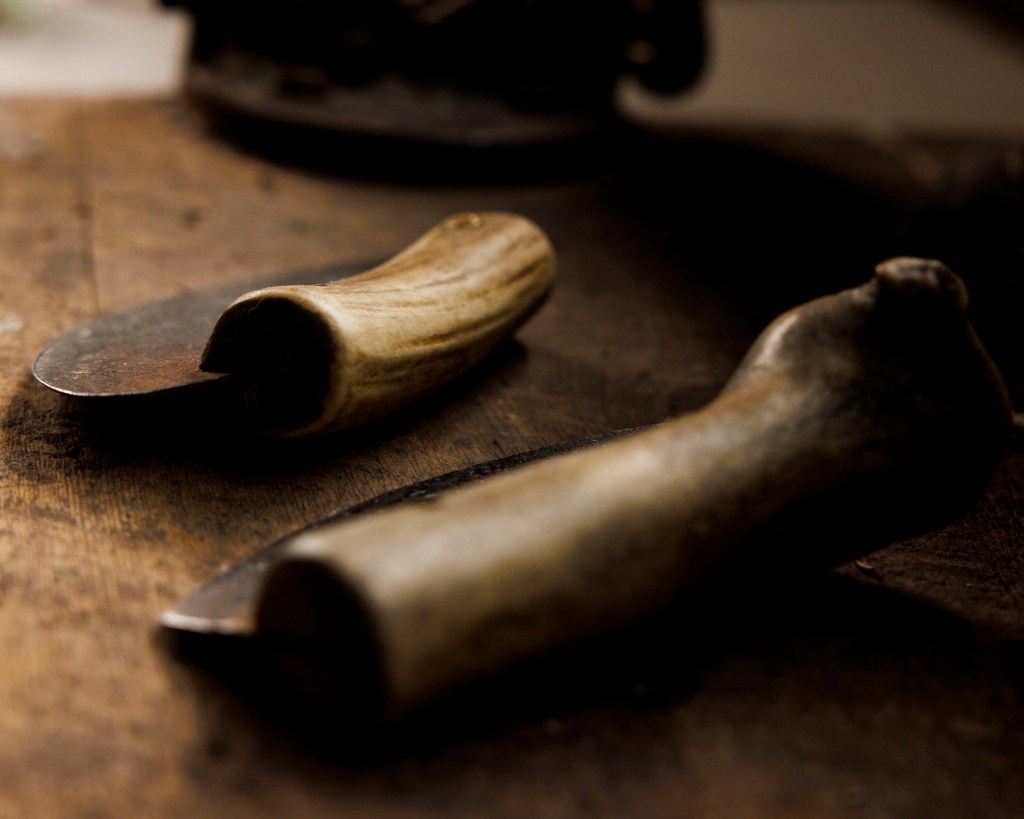
Hide scraping tools made from deer antlers sit on Randy Michel’s work bench on September 11, 2024. 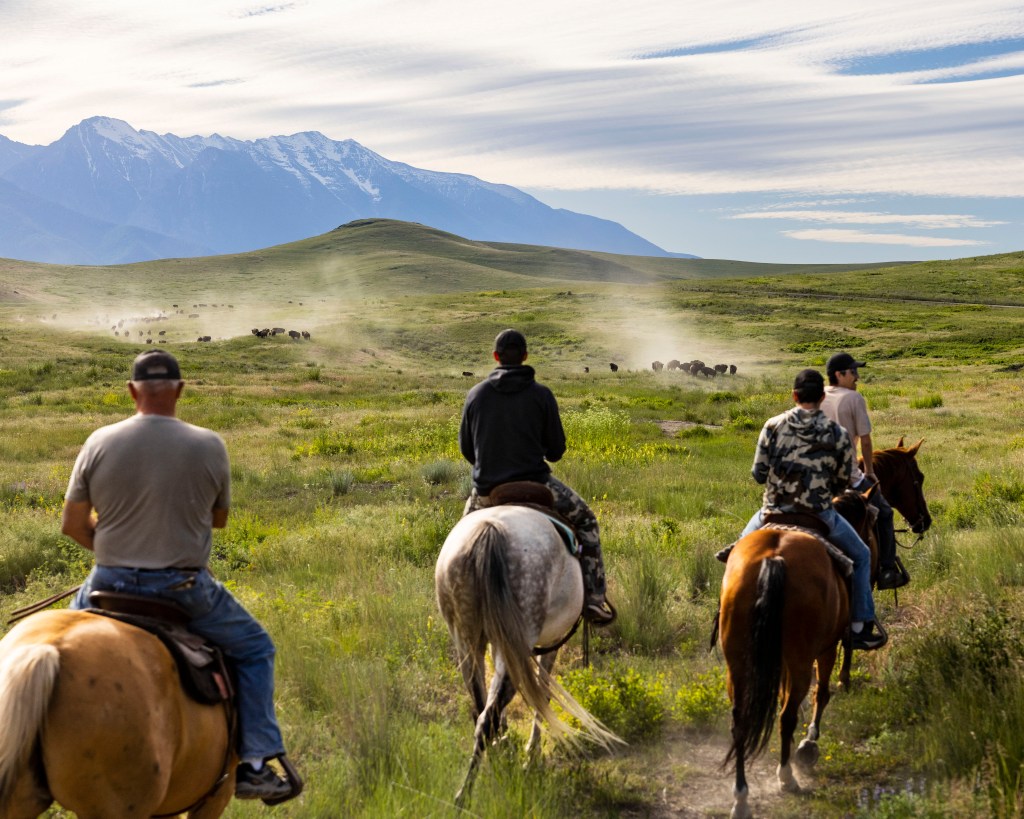
Workers at the Bison Range observe the bison herd on June 12, 2024 on the Flathead Reservation in Montana. 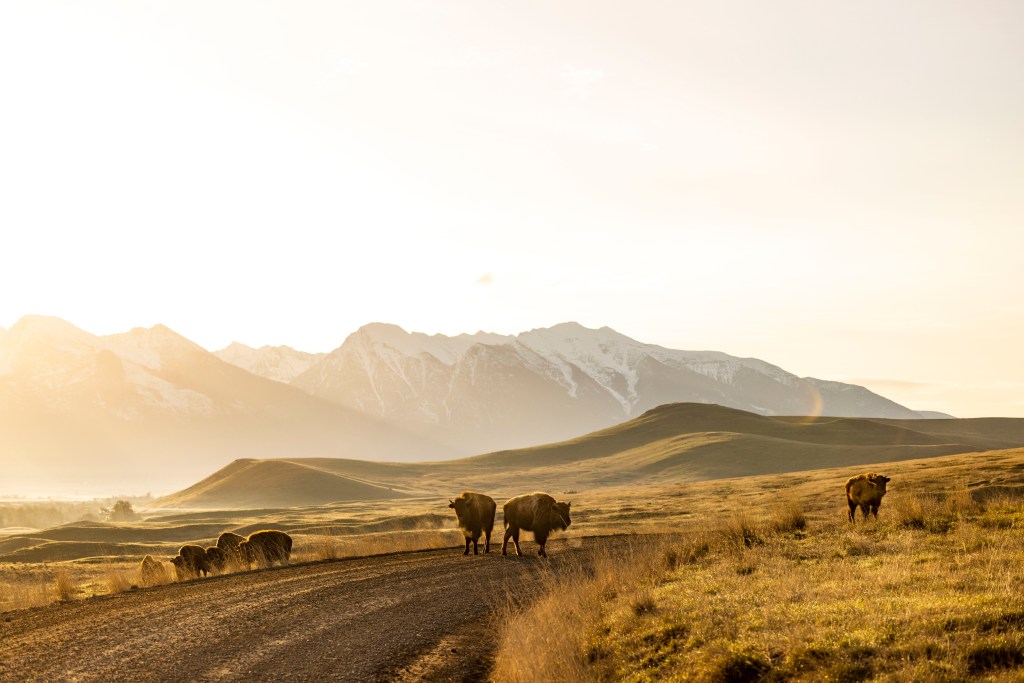
Bison gather on a dirt road at the Bison Range in Charlo, Montana on Flathead Reservation on April 11, 2024. The nearly 19,000 acre range was returned to the Confederated Salish and Kootenai Tribes after it was unlawfully taken by the federal government in 1908. 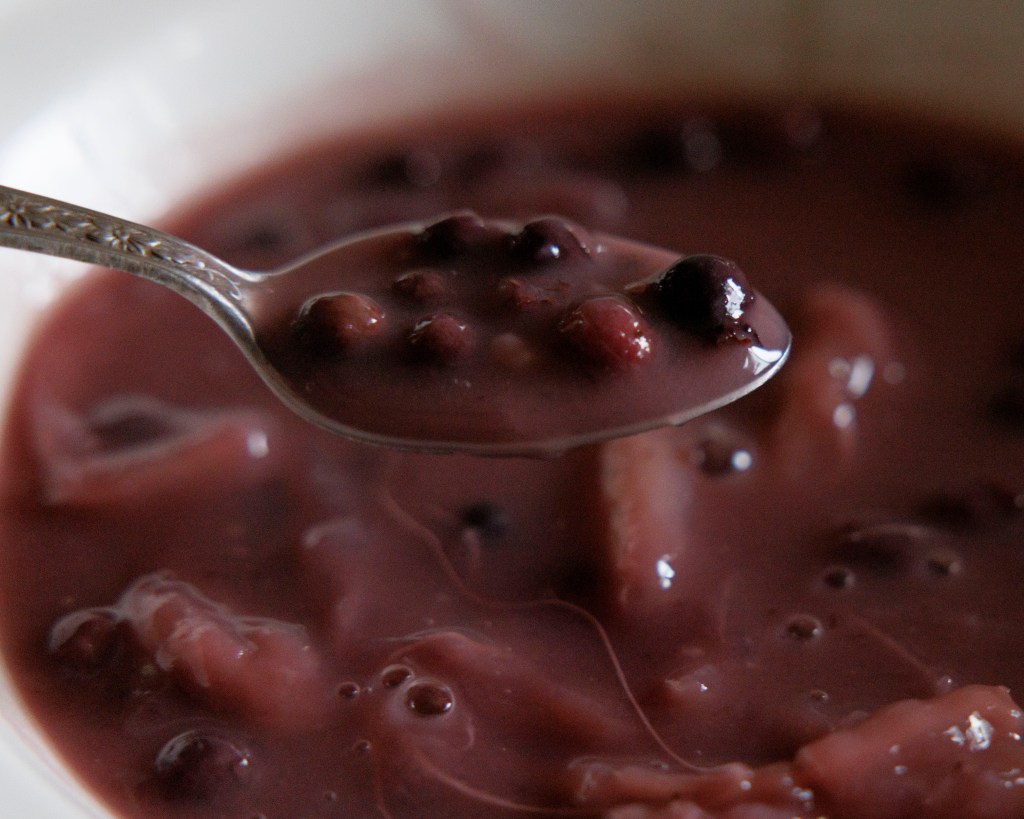
Mary Jane Charlo, 76, prepares berry soup at her home in Arlee, Montana on the Flathead Indian Reservation. 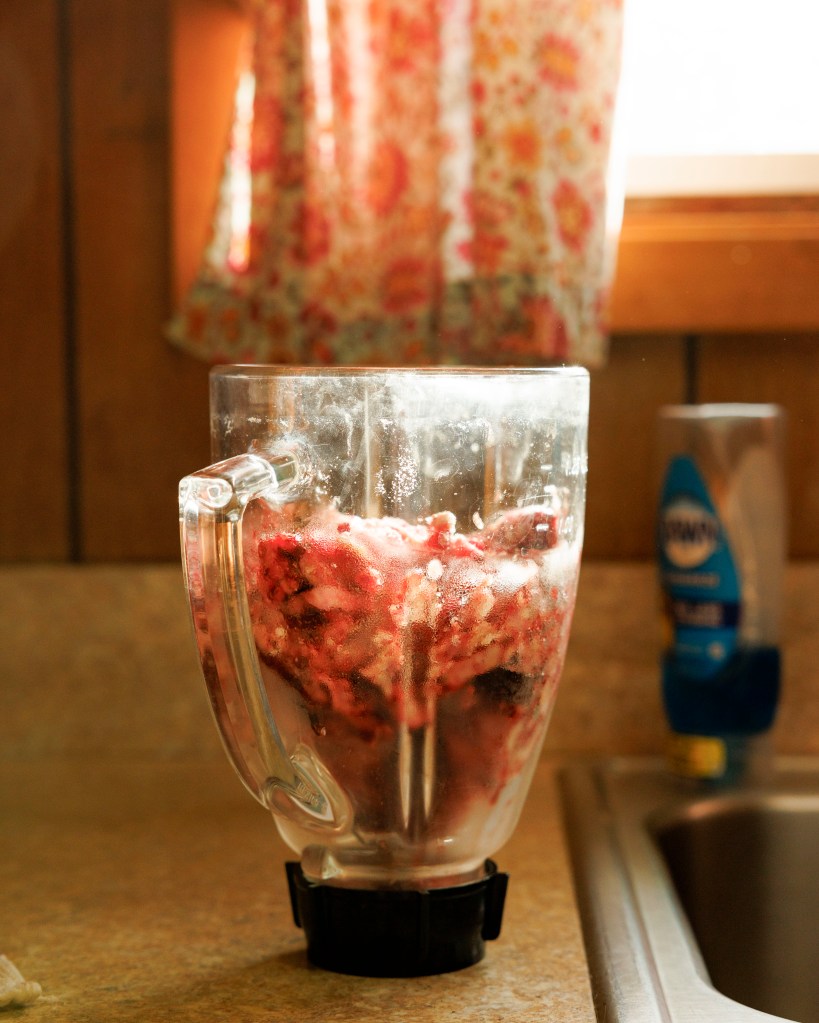
A blender filled with cow brains sits on Randy Michel’s kitchen counter. After blending and boiling the brains, he adds them to a bucket of warm water. The hides soak in the mixture, absorbing the oils as Michel continues to hand-stretch them. 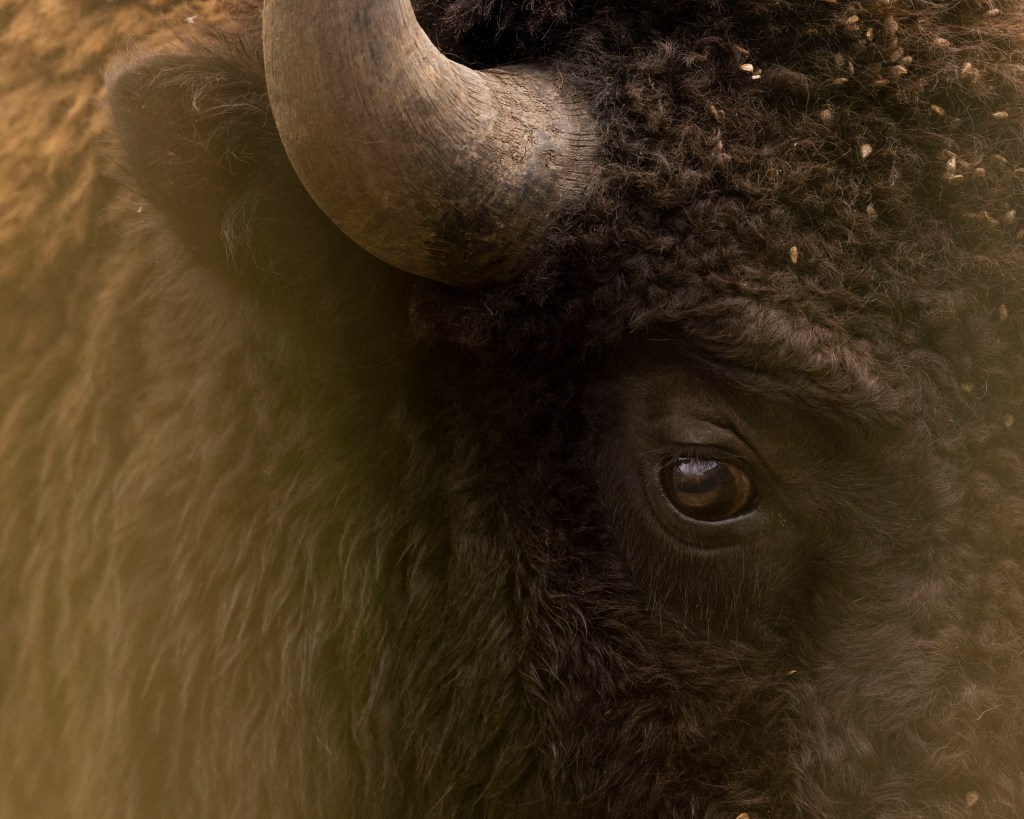
“The return of the Bison Range to these Tribes is a triumph and a testament to what can happen when we work together to restore balance to ecosystems harmed by greed and disrespect,” said Interior Secretary Deb Haaland during the Confederated Salish and Kootenai Tribes’ celebration of the Bison Range’s return to tribal management. After 113 years, the nearly 19,000 acres of the National Bison Range were returned to the Confederated Salish and Kootenai Tribes. 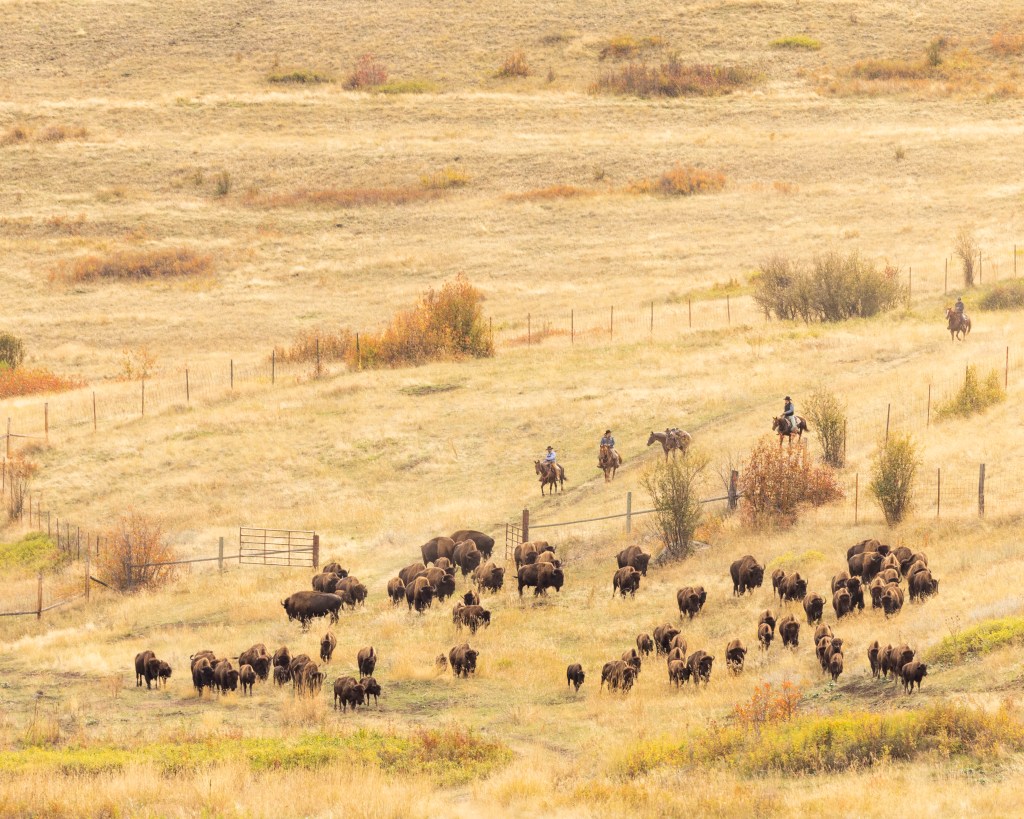
Workers on horses guide bison into corals for a health check known as the bison capture on October 2, 2023 at the Bison Range on the Flathead Reservation in Montana. The bison capture, an event that occurs every two years to collect data and cull the bison, is completely hands off to limit stress to the animal. Whisper Camel-Means, the division manager of fish, wildlife, recreation and conservation for the tribe, said this approach moves away from the old cowboy style of wrangling bison like cattle and puts the animal first. The goal of the Bison Range is to keep the bison wild, that includes limited contact from the Bison Range staff. 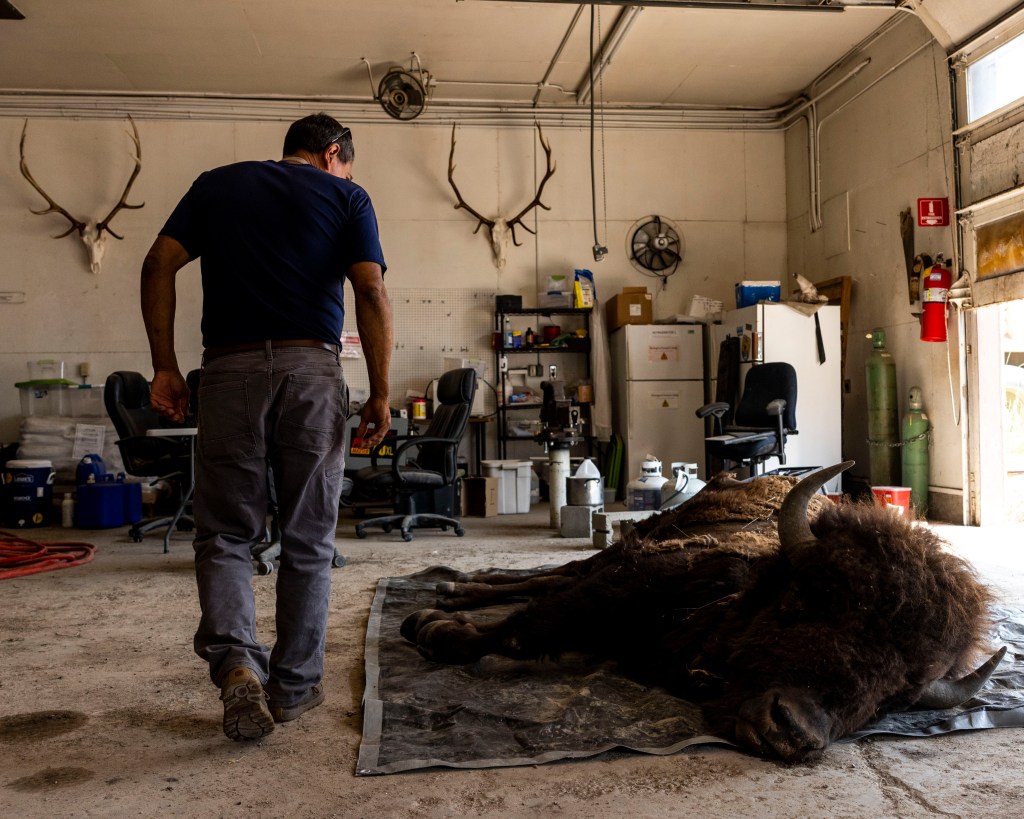
Shannon Clairmont, the head biologist at the Bison Range, observes a bison carcass suspected of having Johne’s Disease on July 18, 2024. Clairmont became the head biologist after the range was transferred back to the tribe in 2020. “It’s in the heart of the reservation and it was taken against our will. The original bison that were here were tribally owned. When the fences went up and the bison went back in small numbers, it wasn’t part of the reservation anymore. If you talk to anyone from that time they say, ‘The fences were meant to keep the bison in and the Indians out’,” said Clairmont. 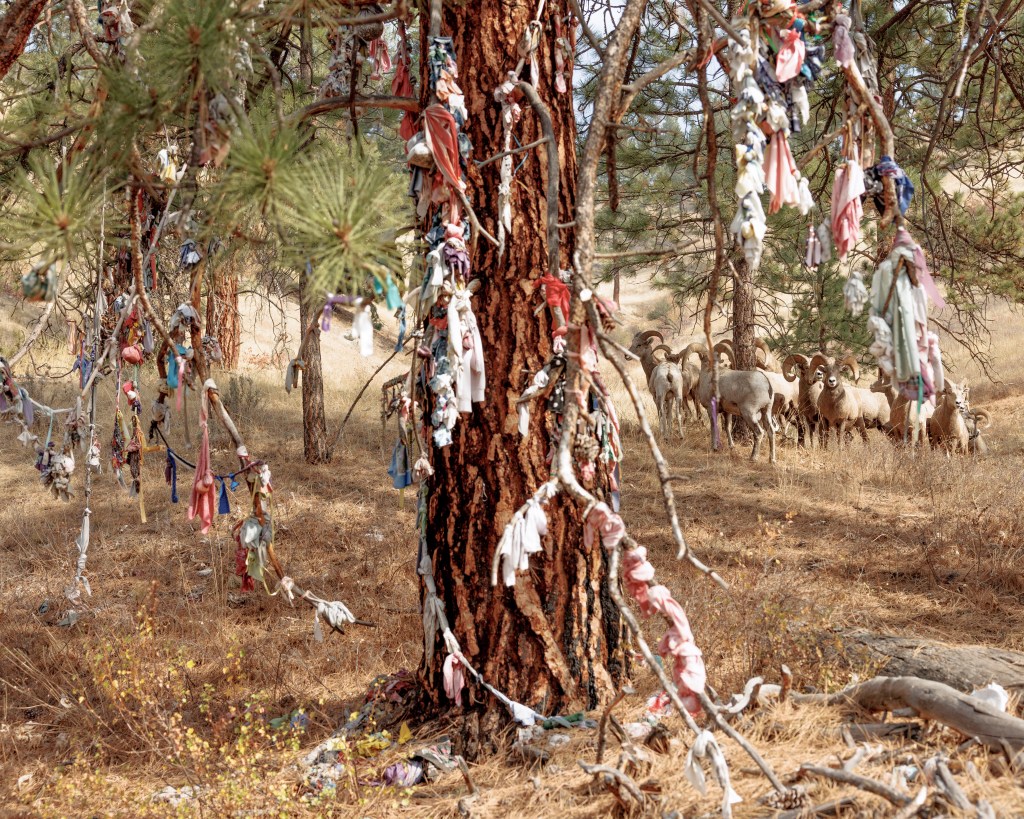
Former Montana Governor Brian Schweitzer at his home in Seeley Lake, Montana on October 7, 2024. 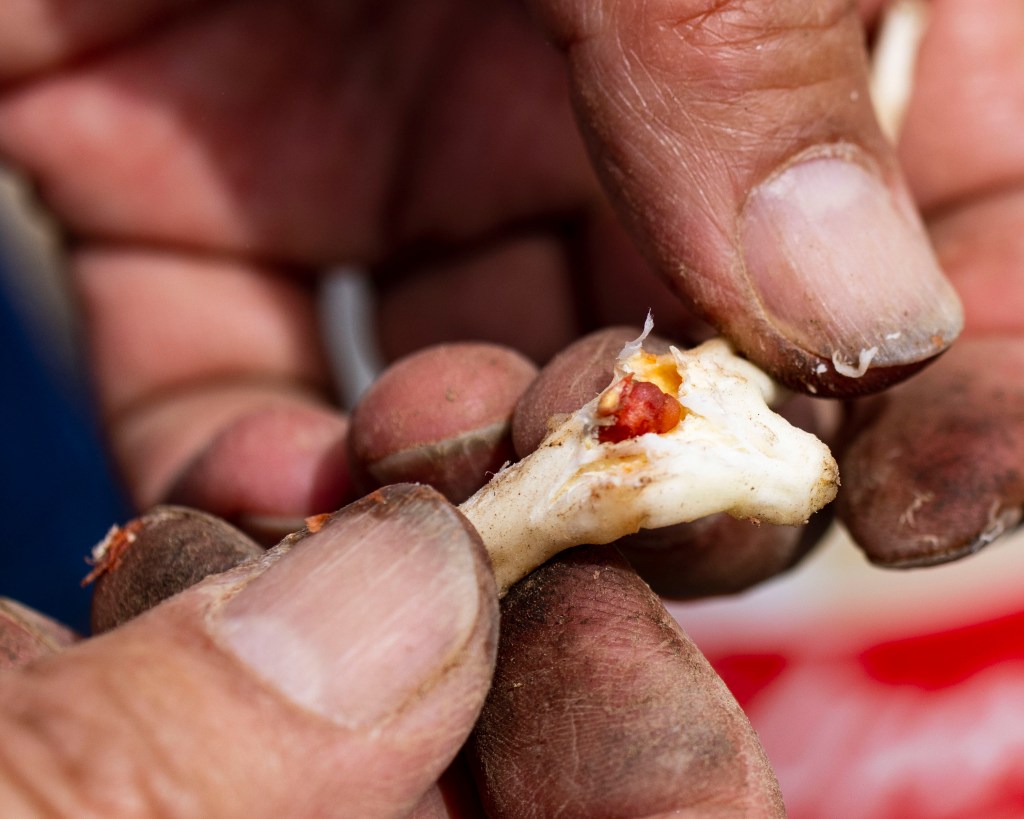
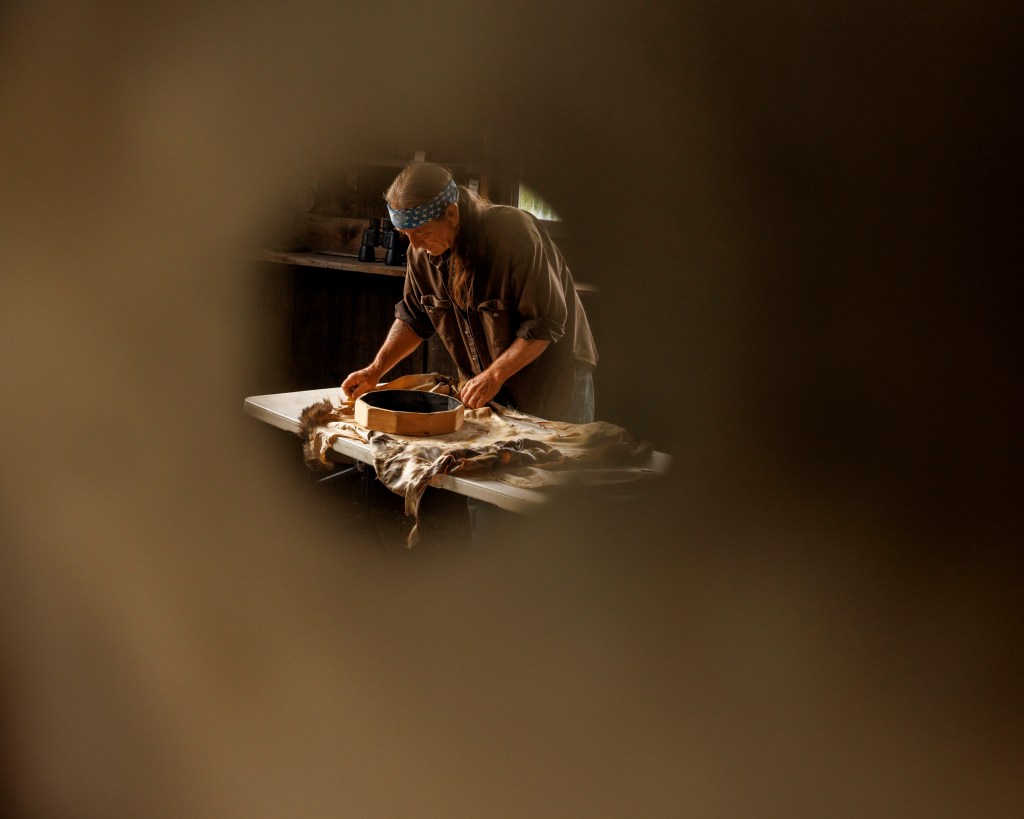
Randy Michel stretches a deer hide around a drum frame at his home in Saint Ignatius, Montana, on the Flathead Reservation on November 16, 2024. Michel makes drums, moccasins, bags, and regalia for the community from the hides he tans. 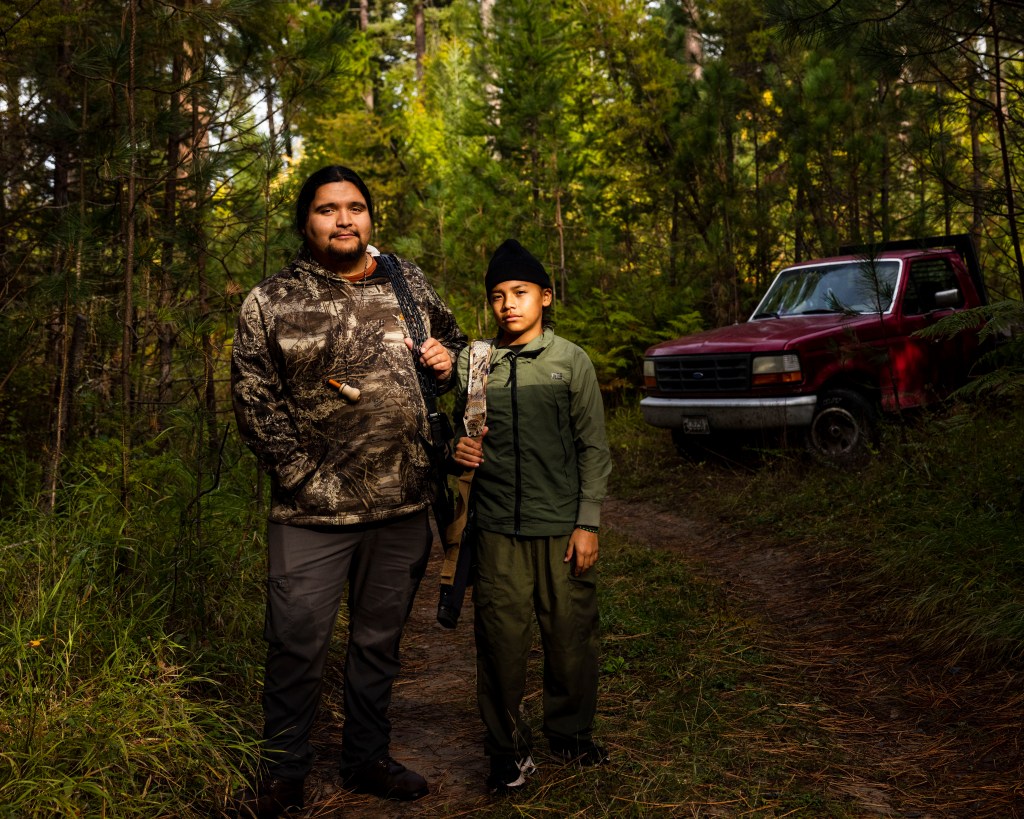
Michael and Andrew Irvine stand for a portrait after a hunting trip on September 2023. 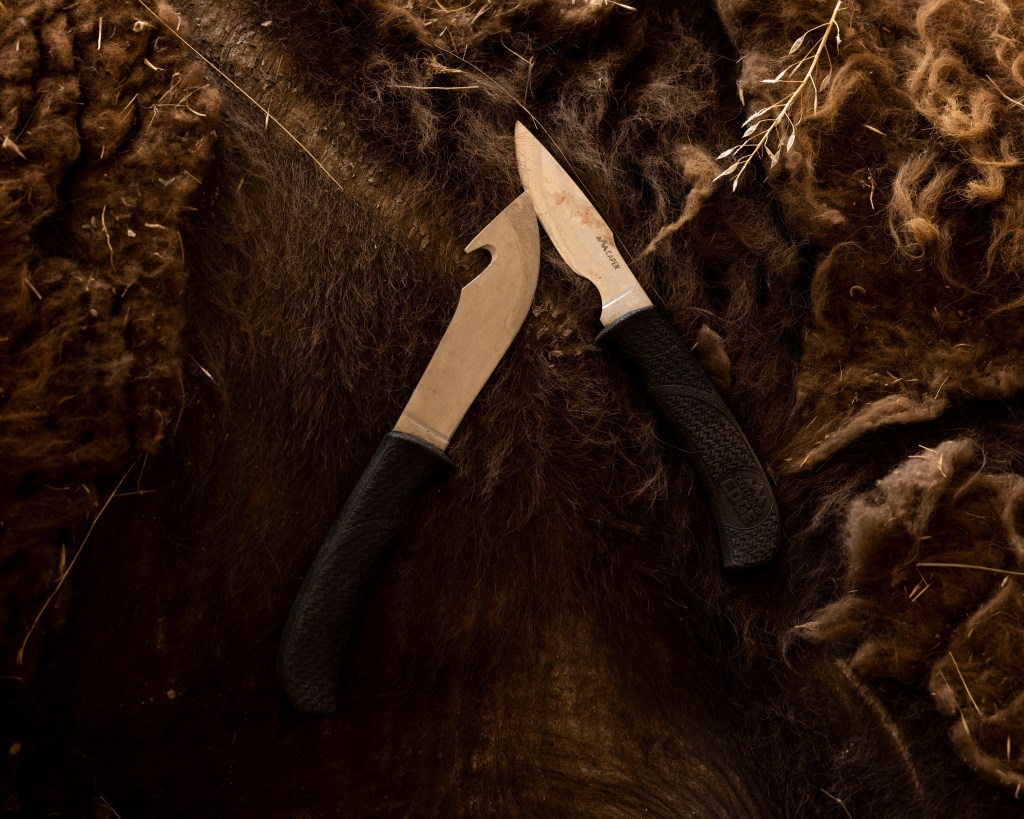
Two knives sit on a bison hide during a necropsy of the bison at the Bison Range in Saint Ignatius, Montana on Flathead Reservation on July 18, 2024. The bison was put down after employees noticed it was sick. The necropsy was used to determine the cause of the illness. 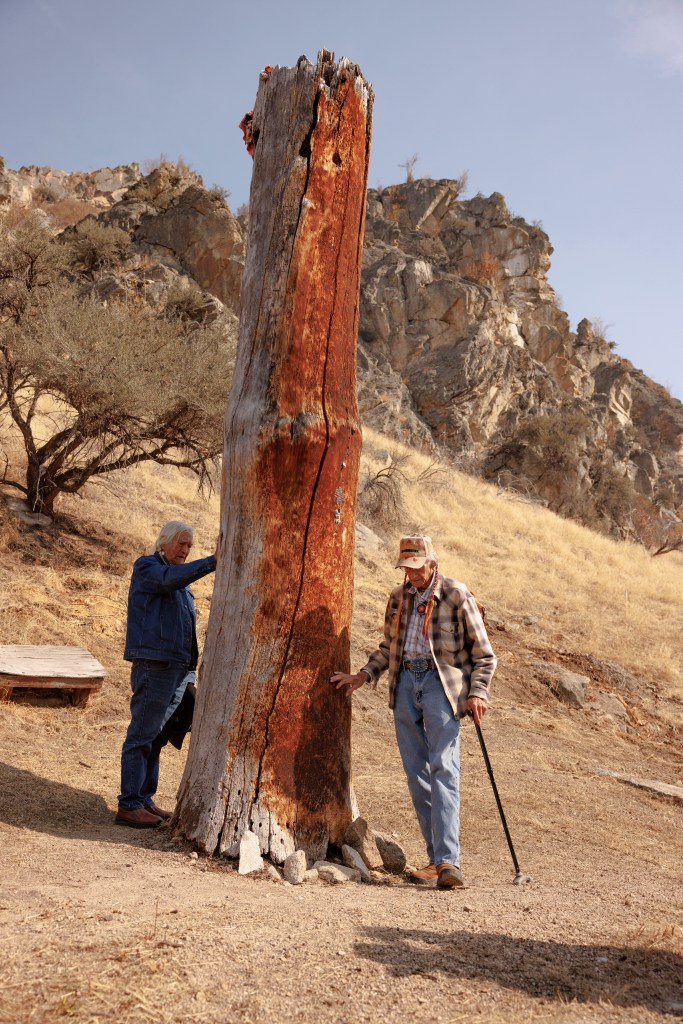
Tribal elders Johnny Arlee and Stephen Small Salmon travel hundreds of miles to return to the tribe’s aboriginal homeland and pray at the Medicine Tree on October 11, 2024. The Medicine Tree, a sacred site connected to the Salish creation story, sits just feet away from U.S. Highway 93. The tribe purchased the 58-acres surrounding the tree and in 2014 put the land in federal trust to protect the area from further development. The tribe removed signs that gave the history of the tree after vandalism and attacks on the tree, including a person salting the land around the tree in effort to kill it. 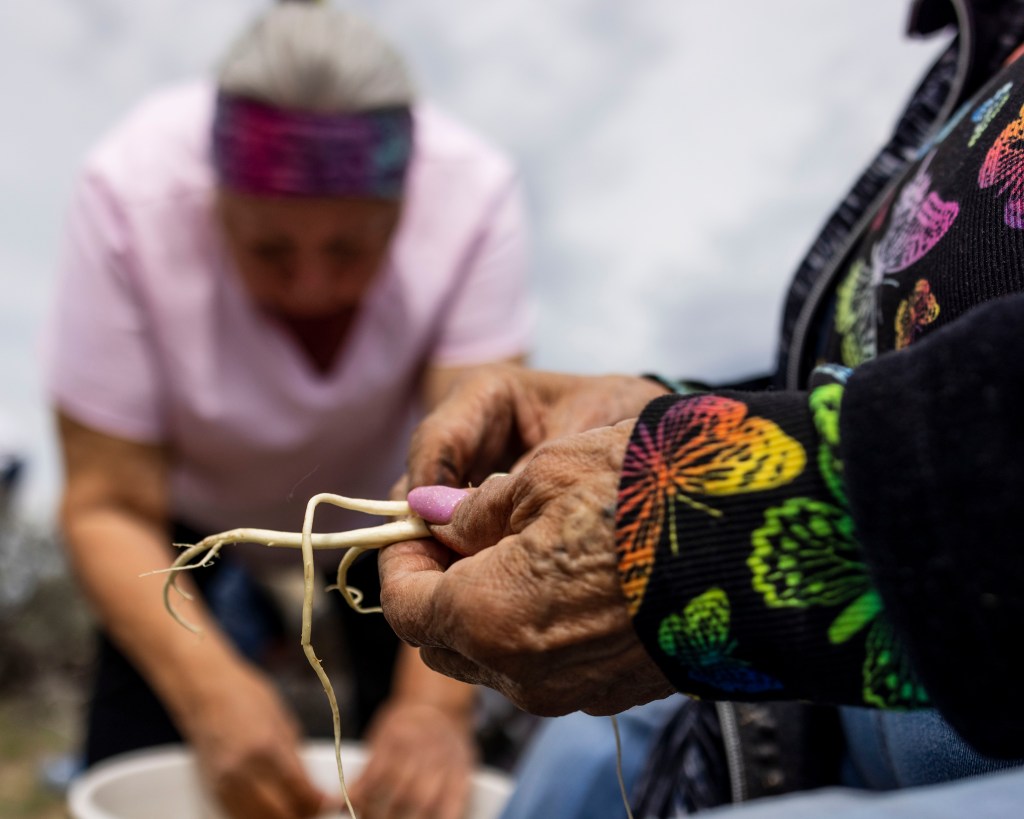
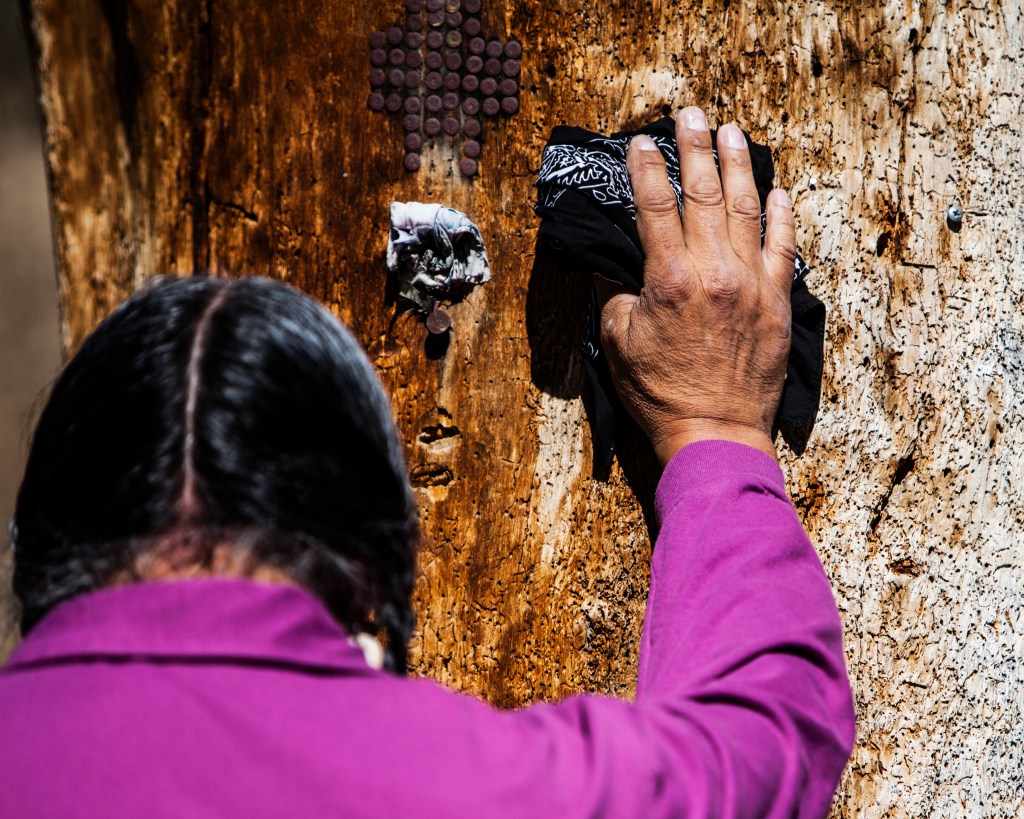
Louis McDonald rests his hand on the Medicine Tree during the Salish Tribe’s annual trip on September 28, 2017. The Medicine Tree is located off the Flathead Reservation in the Salish’s aboriginal homeland. The tree is part of the Salish’s creation story and every year members of the tribe return to it to pray. 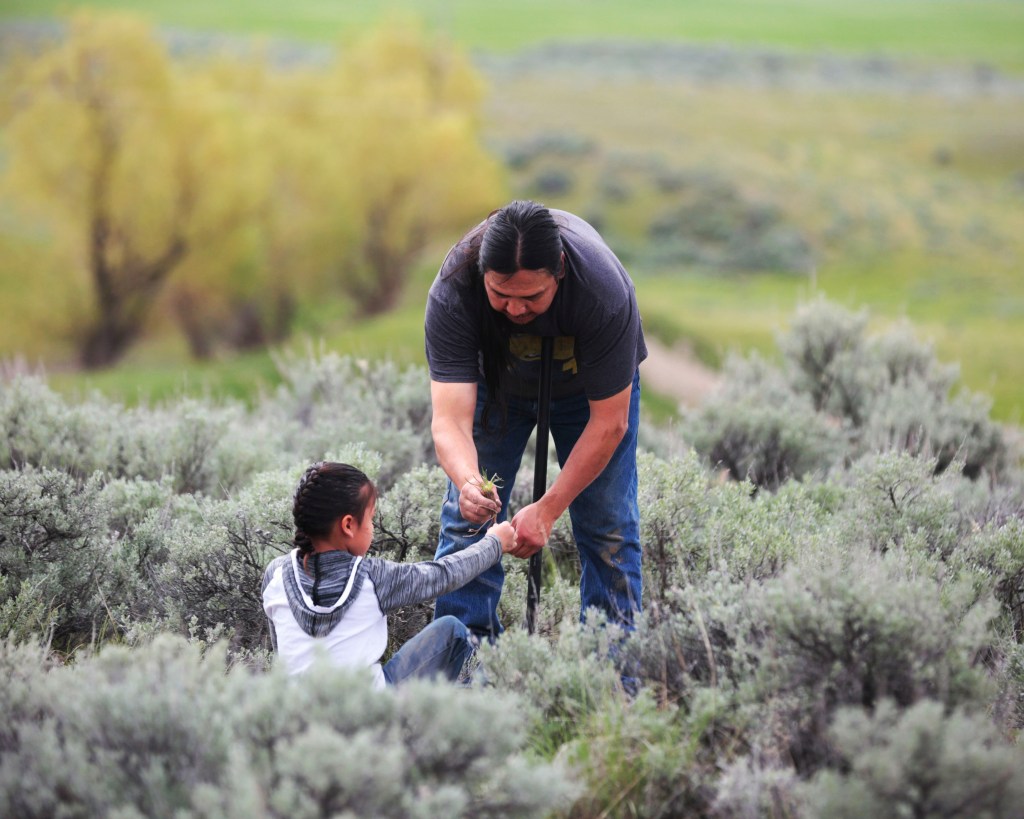
Michael Irvine and his grandson, Andrew, 7, dig for bitterroot during the Confederated Salish and Kootenai Tribes’ annual gathering on May 9, 2018. The bitterroot was a staple harvest for the Salish people and each year after the bitterroot is dug and peeled, the members return to the Long House to eat the bitterroot and the feast that accompanies it. 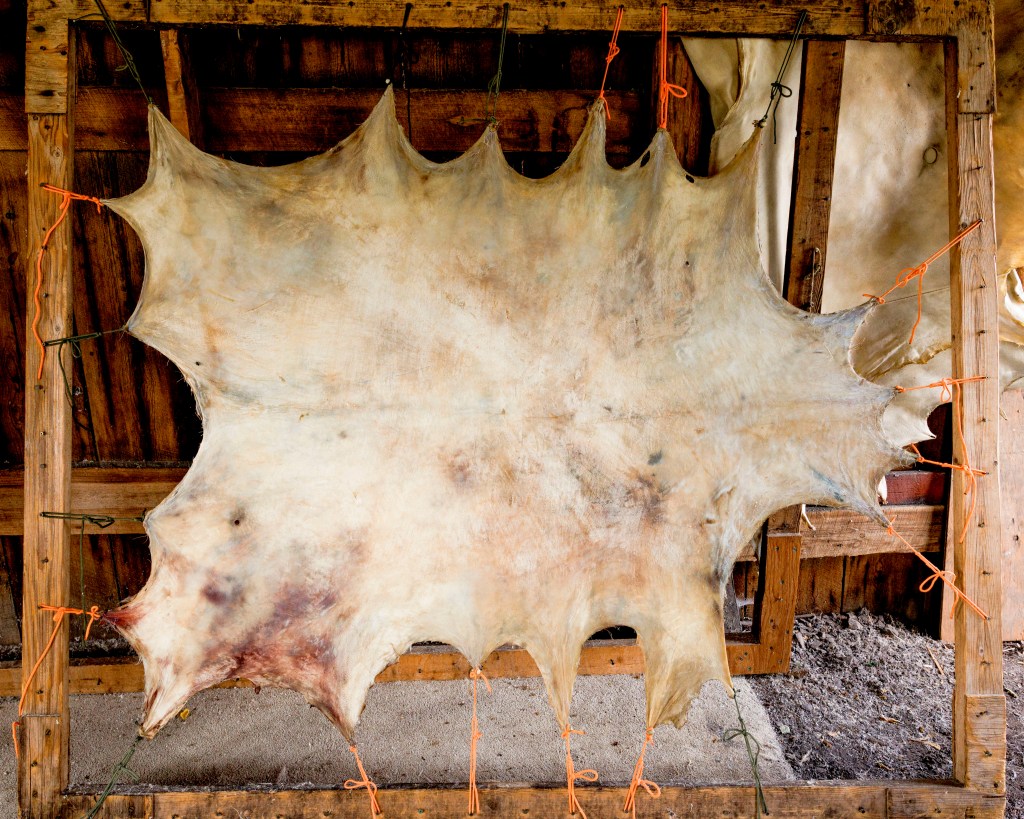
A hide sits in the stretching frame. 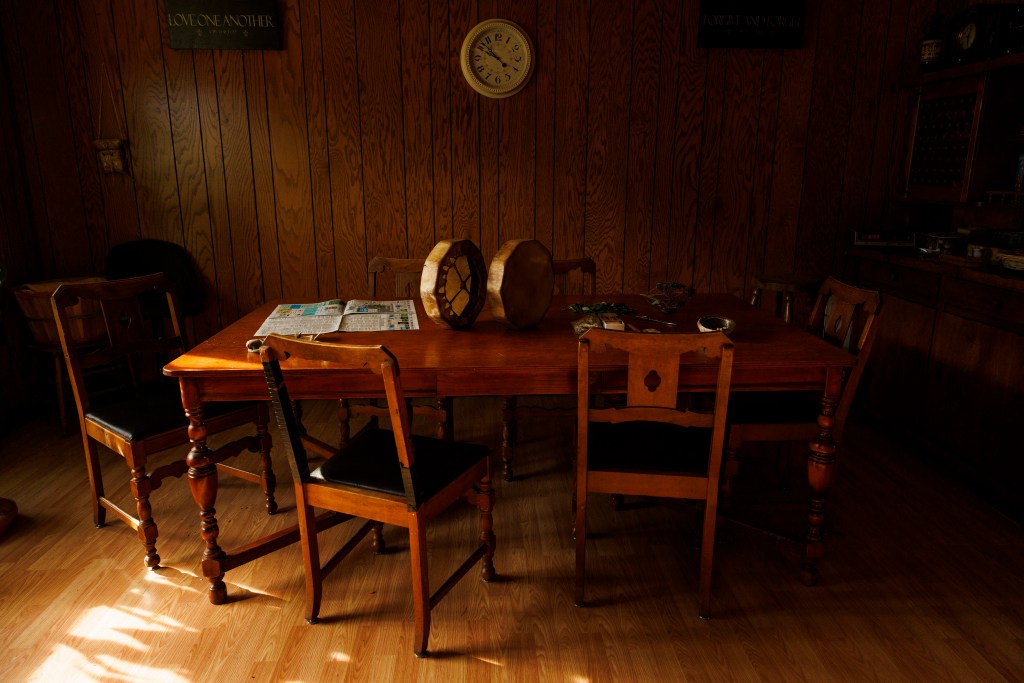
Drums made from deer hides sit on the table in Randy Michel’s home in Saint Ignatius, Montana on Flathead Reservation on September 17, 2024. The drums Michel makes from his tanned hides are distributed throughout the reservation. The Head Start program on the reservation uses his hides to create moccasins for their young students. 
In Ronan, Montana. 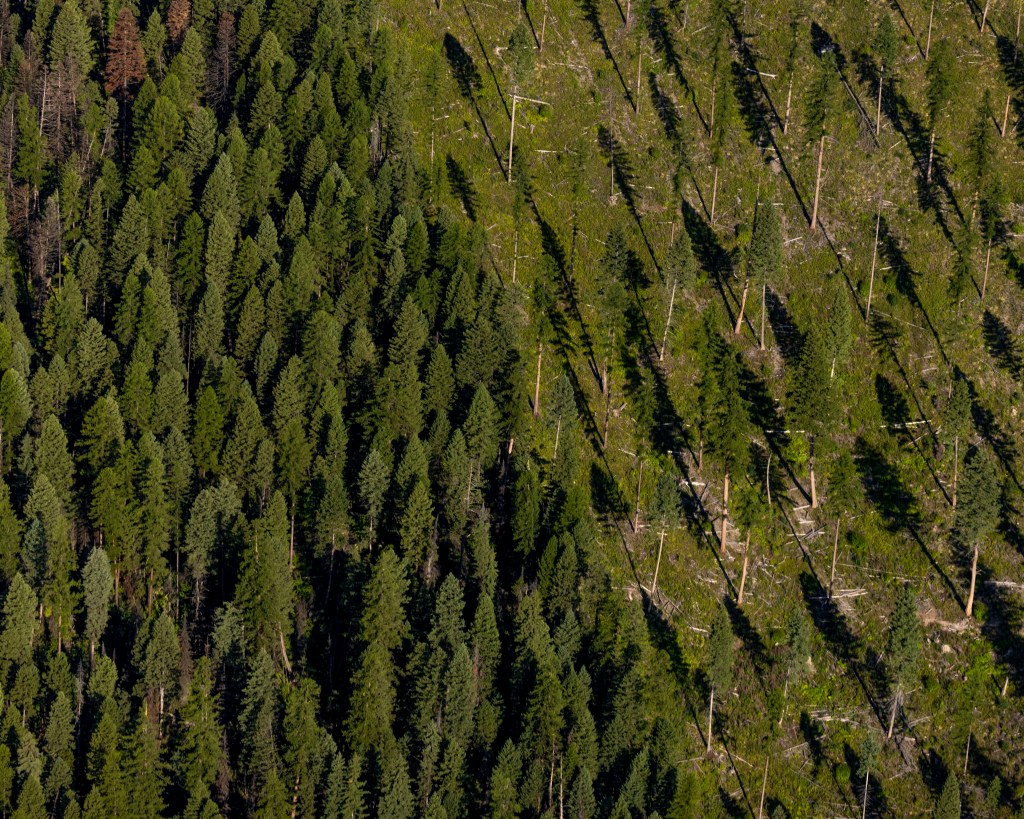
A clear line divides forest managed by the Confederated Salish and Kootenai Tribe and recently harvested state-owned land on August 8, 2024. These state-owned parcels of land were taken from tribes during the allotment era. These parcels sit in the middle of the country’s first tribally-designated wilderness area––91,000 acres known at the Mission Mountain Tribal Wilderness.
- 21 framed photographs
- Sizes: 16.5″ x 21.75″ – 24″ x 36″
- Crates: 2
- Available: January 2027 – June 2029
- Booking Fee: 4 – 6 weeks $600/ 7 – 12 weeks $1000
- Integrative Resources: Robust education programing, multiple articles, artist available for gallery talk, published articles relating directly to the exhibition images, links to national PBS interview (different project) and NYT story.
- Wall labels include artist written caption for many works
EXHIBITION DESCRIPTION
Tailyr Irvine is an enrolled member of The Confederated Salish and Kootenai Tribes (CSKT) and freelance photojournalist. Beyond Bison pairs photographs of the CSKT Bison Range under Tribal management with images of Tribal members engaged in land-based and traditional practices, together demonstrating the territory’s deep significance to their history and culture, as well as their ongoing commitment to maintaining it. The project documents not only the restoration of buffalo to ancestral homelands but the broader continuity of tribal life that surrounds that effort.
First presented in a different iteration in the New York Times, the work has since reached wide audiences across print and digital platforms. Irvine, who works primarily in those mediums, had rarely seen these images at large scale; the experience revealed new dimensions within the photographs themselves. Presented in simple frames that allow the images to speak on their own terms, the exhibition’s captions and didactics offer viewers multiple entry points into the larger project and a more intimate understanding of tribal sovereignty.
Tailyr Irvine, enrolled member of The Confederated Salish and Kootenai Tribes, is a journalist born and raised on the Flathead Indian Reservation in western Montana. Her work focuses on providing in-depth representations of the lives and complex issues within the diverse communities that make up Native America. In one of her first major projects, she photographed the protests against the construction of an oil pipeline on the Standing Rock Sioux reservation in 2016 and 2017. Irvine earned her BA from the University of Montana School of Journalism in 2018.
Irvine is a co-founder of Indigenous Photograph, a global database dedicated to support the media industry in hiring more Indigenous photographers to tell the stories of their communities and to reflect on how we tell these stories. She is a 2019 National Geographic Explorer and a We, Women Artist currently working on a project that explores the complexities of blood quantum and Native identity. Irvine’s work focuses on challenging stereotypical narratives with photos that provide deeper representation of the lives and the complex issues within the diverse communities that make up Native America. Irvine worked at the Dallas Morning News and Tampa Bay Times before beginning her career as an independent journalist.
Irvine explains, “The project closest to my heart—the one that brought me the most joy—was a photo story on powwow fashion for The New York Times in 2022. That year, my tribe was finally able to resume its annual powwow after a long pandemic hiatus. It was a homecoming and exactly the kind of story I needed to tell.”

